Client and program
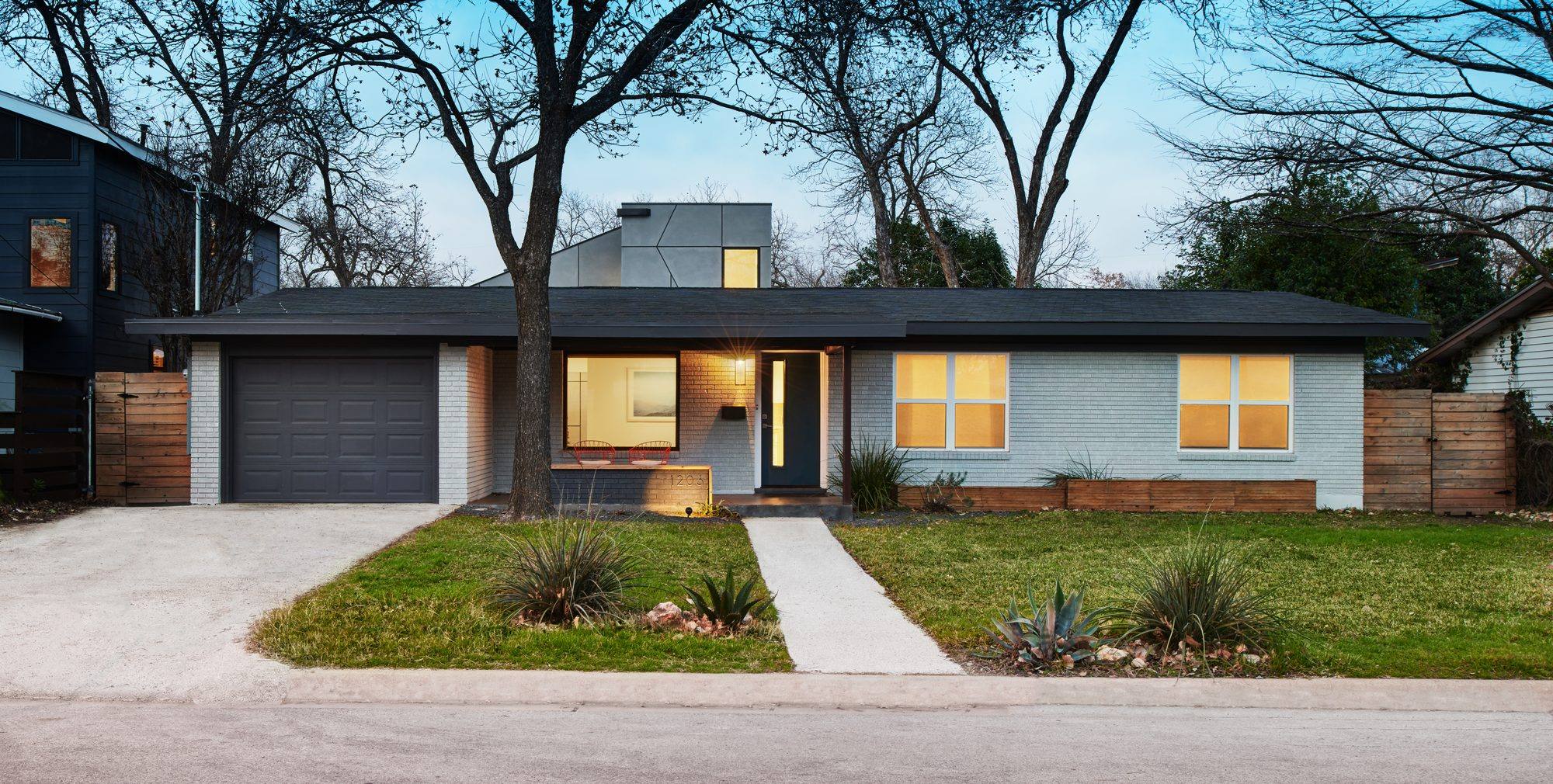
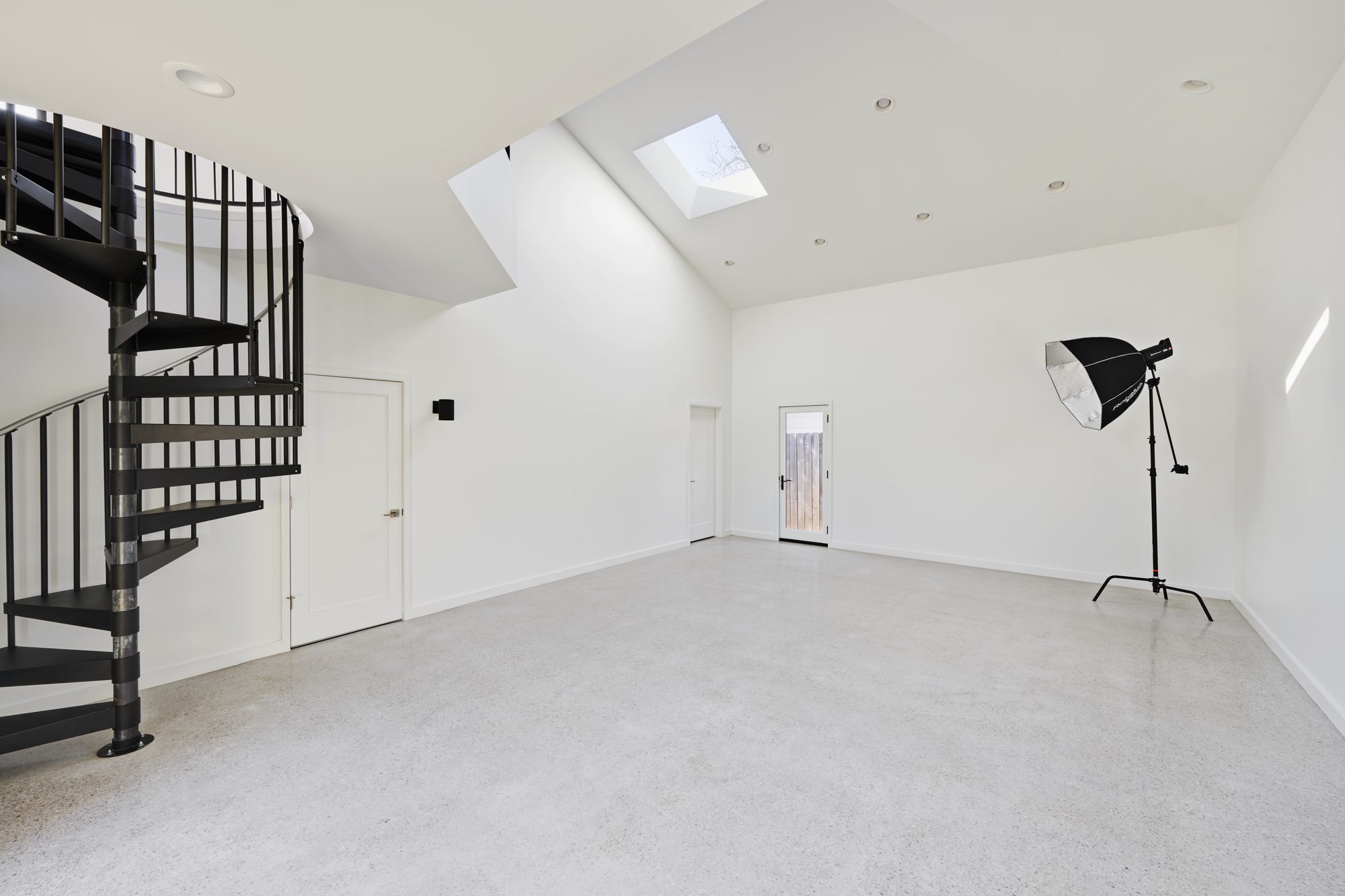
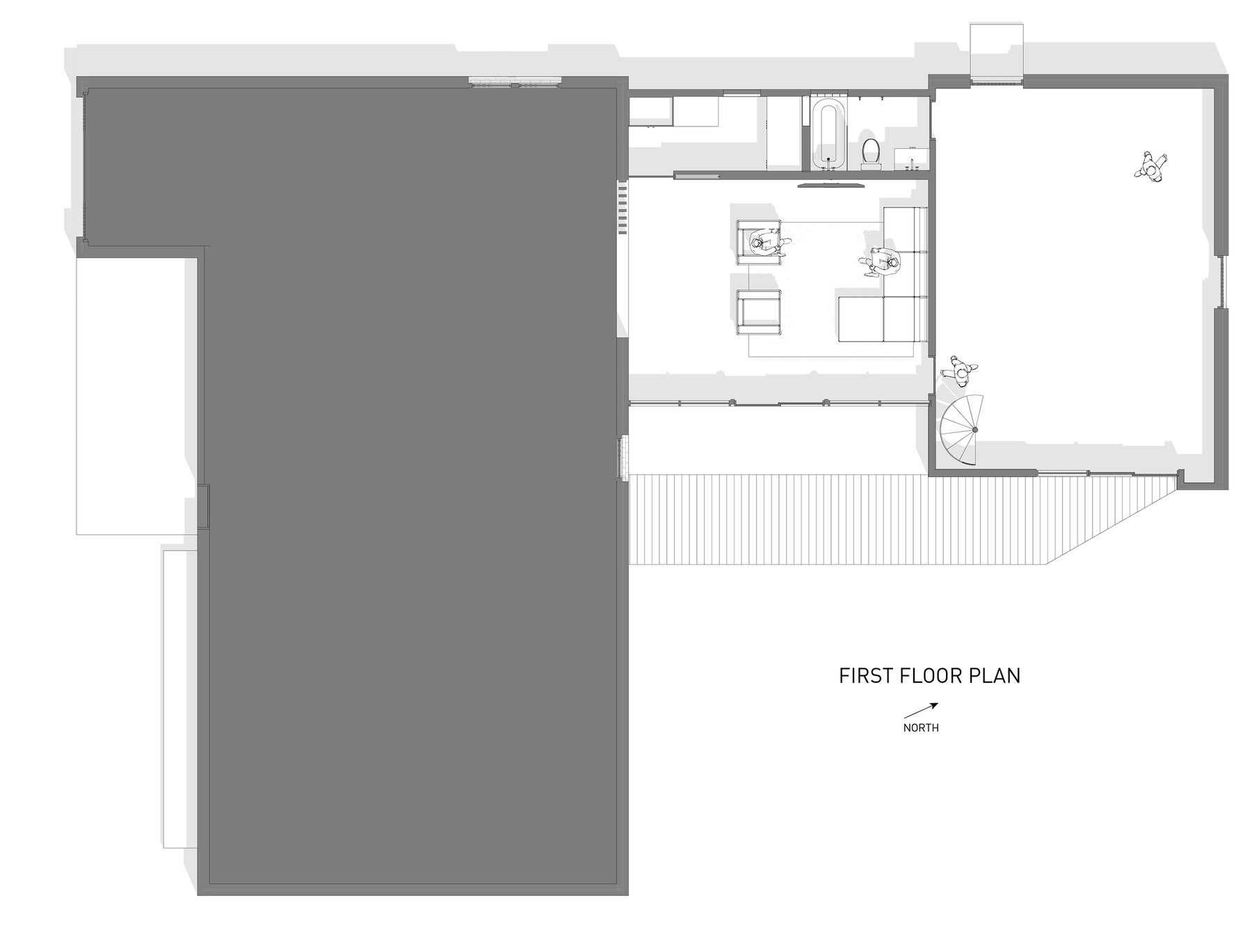
The clients are a working photographer and his family, living in a mid-century ranch in central Austin that had become too small for the household and missing one essential room: a real photo studio. The brief was a renovation that would open the existing house’s interior, plus a new studio addition that could function as a working professional photo space — with the lighting, height, and circulation discipline that demands.
Site and constraint
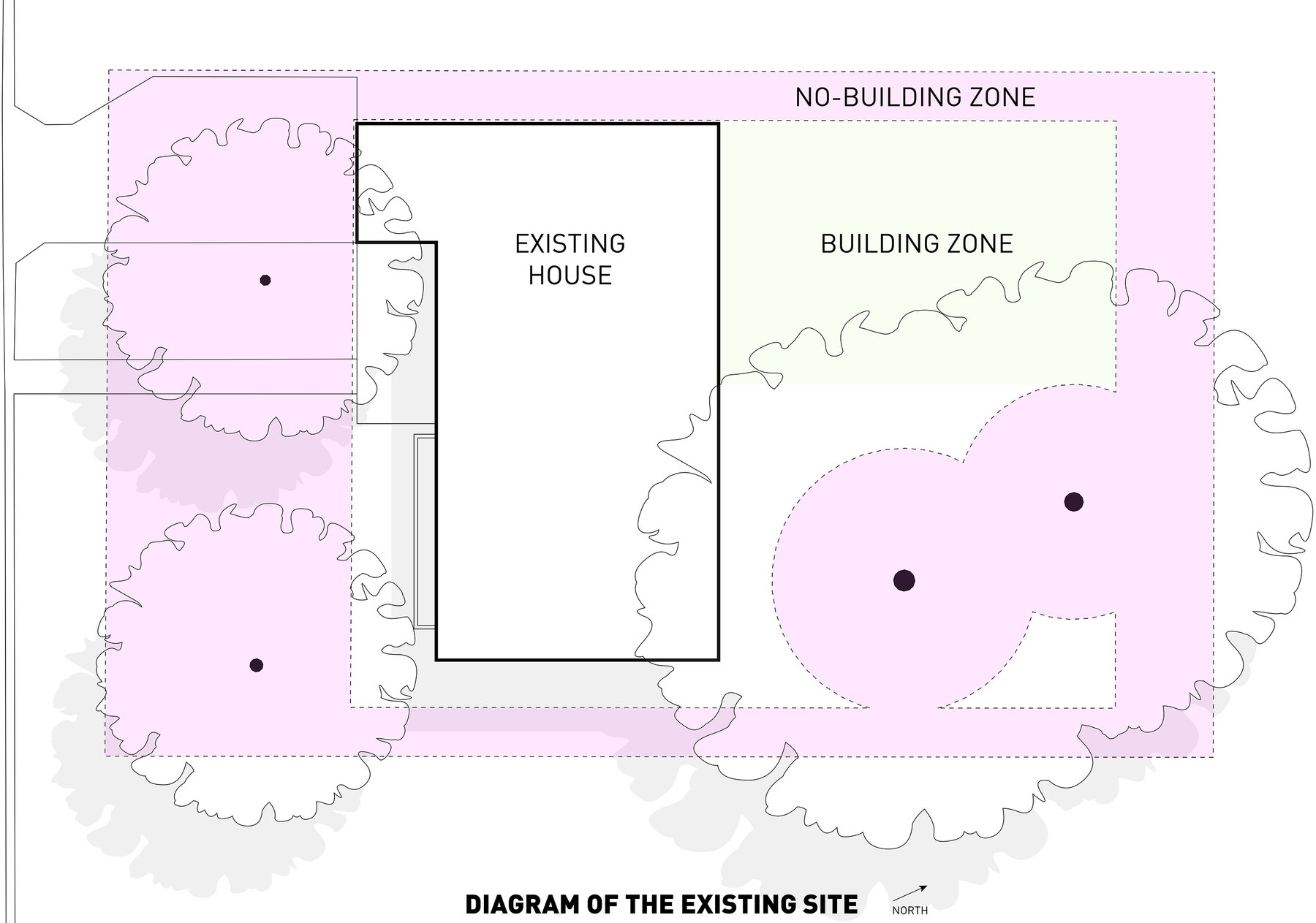
The site is a tight residential lot with mature trees and a clear neighborhood scale. The constraints were the existing single-story footprint (worth keeping for what it gave the street), the property setback at the rear (which fixed where the addition could land), and the simple fact that the new building had to be visible from inside the existing house without dominating it from the curb.
Design move
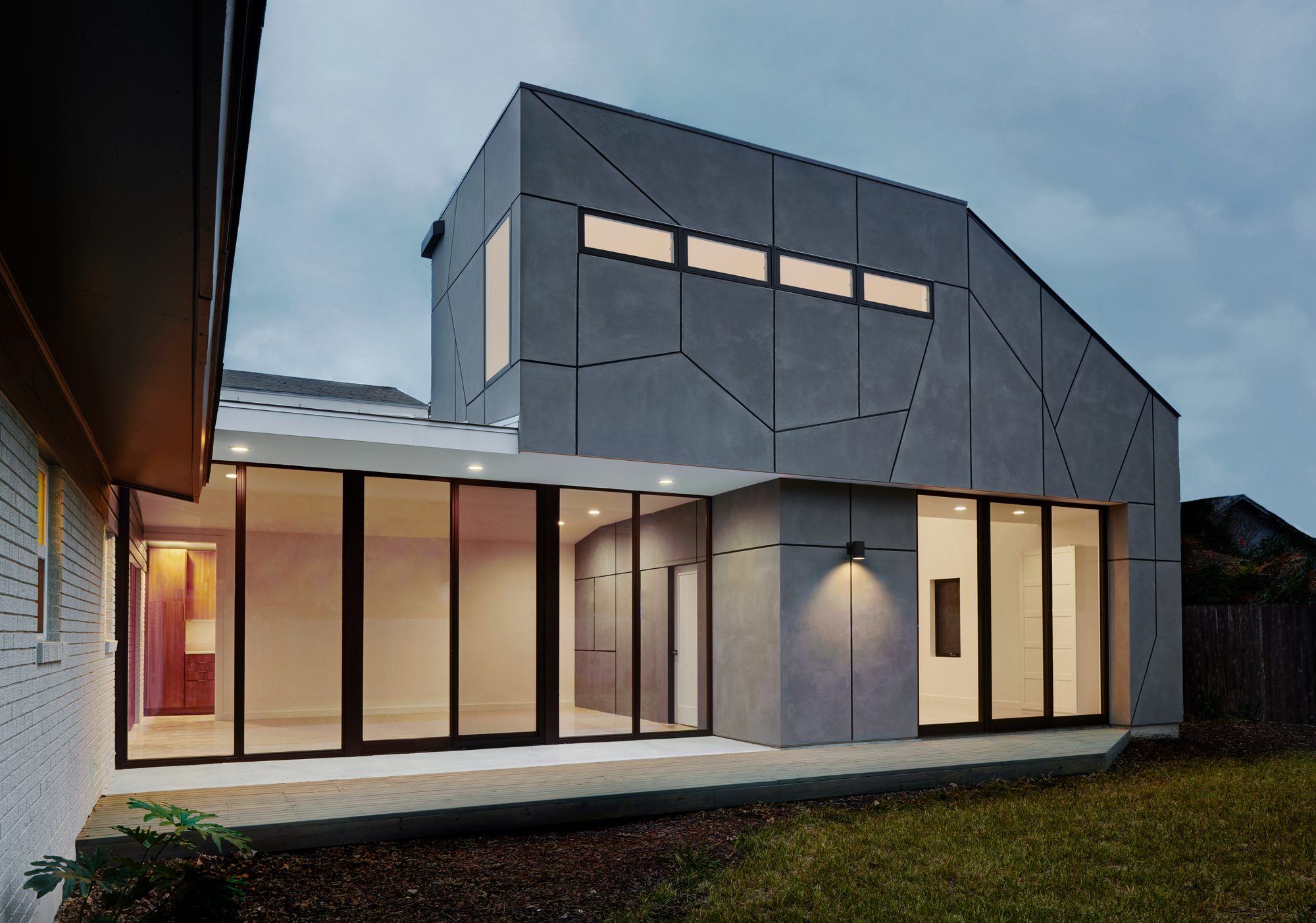
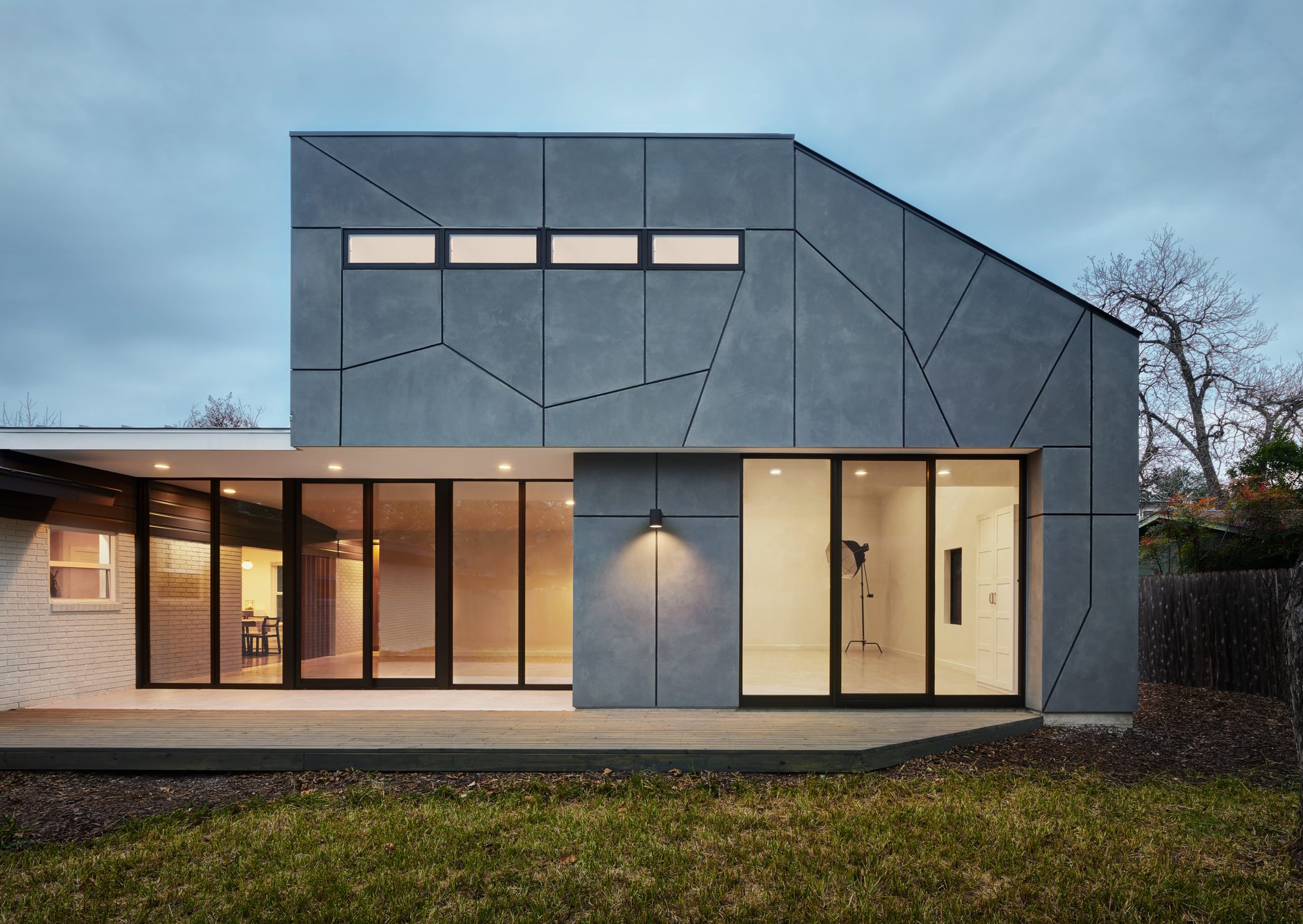
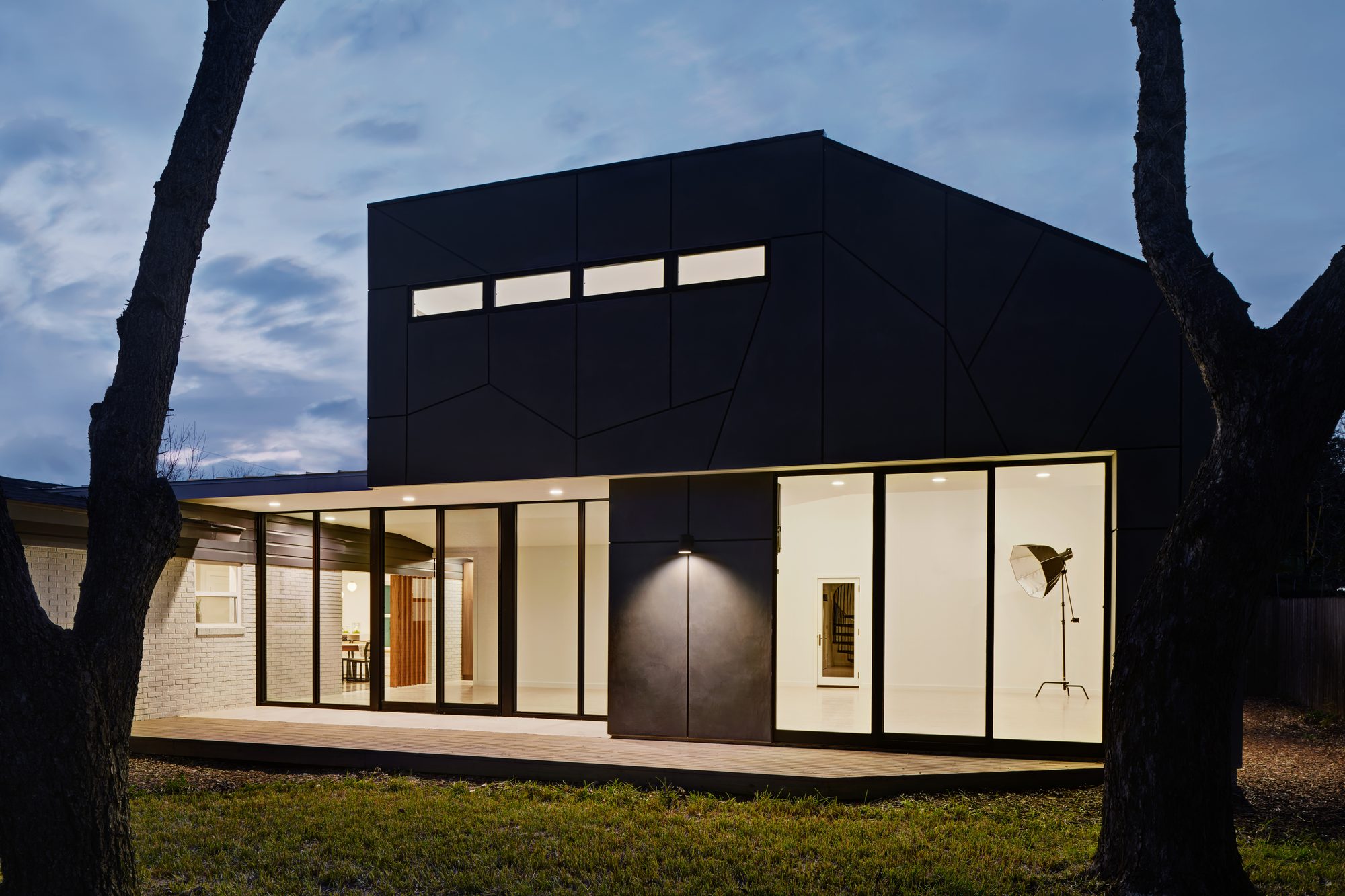
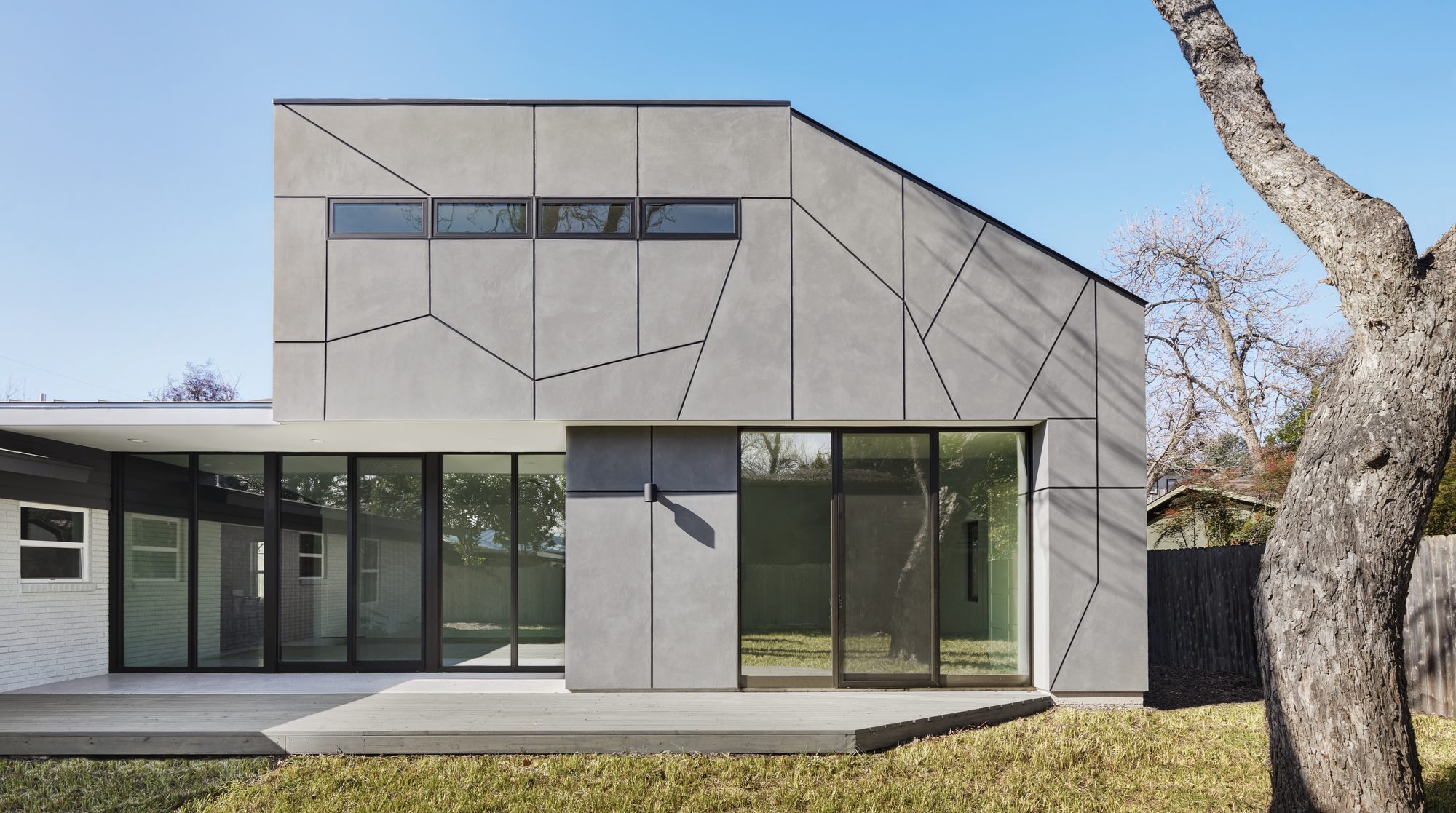
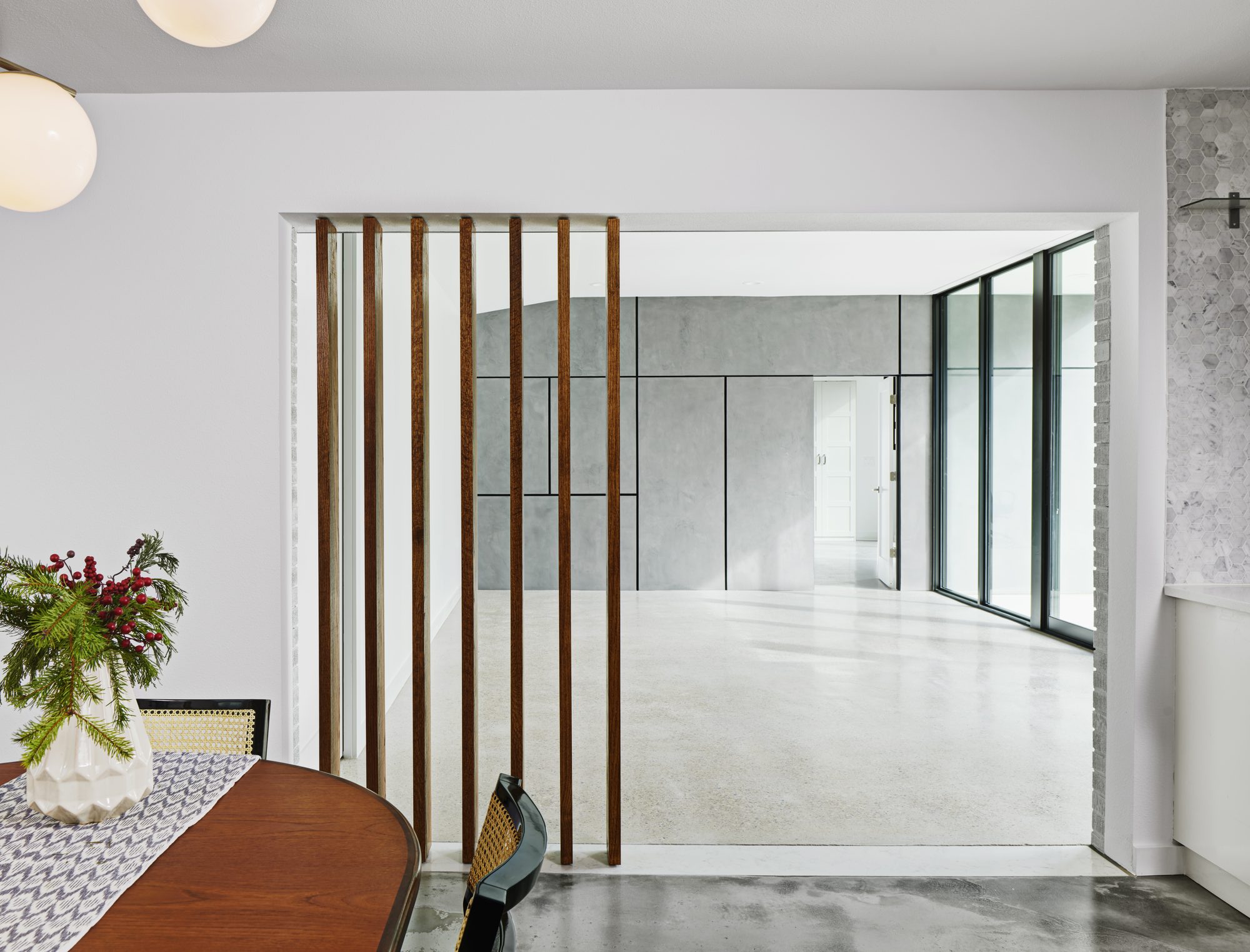
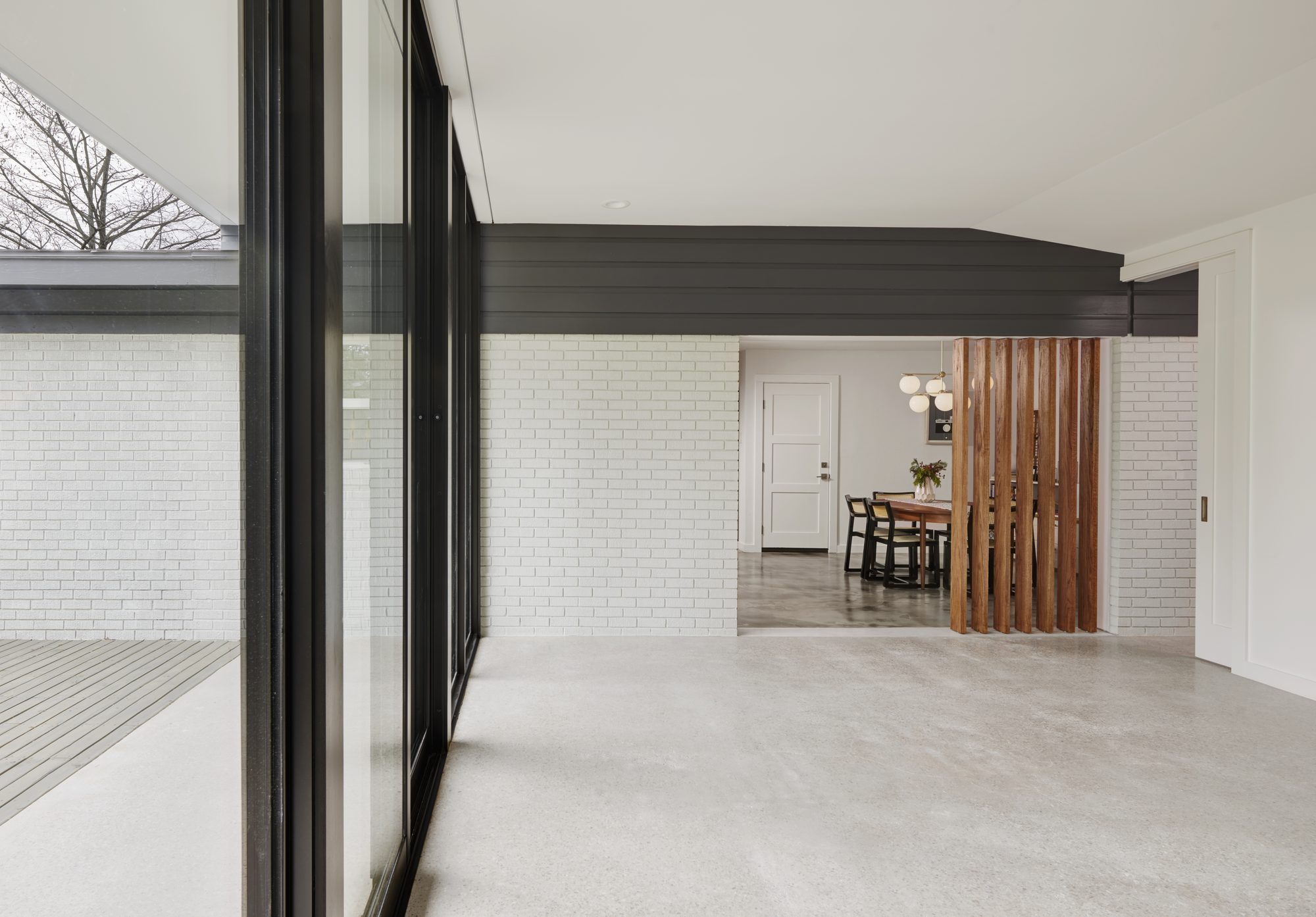
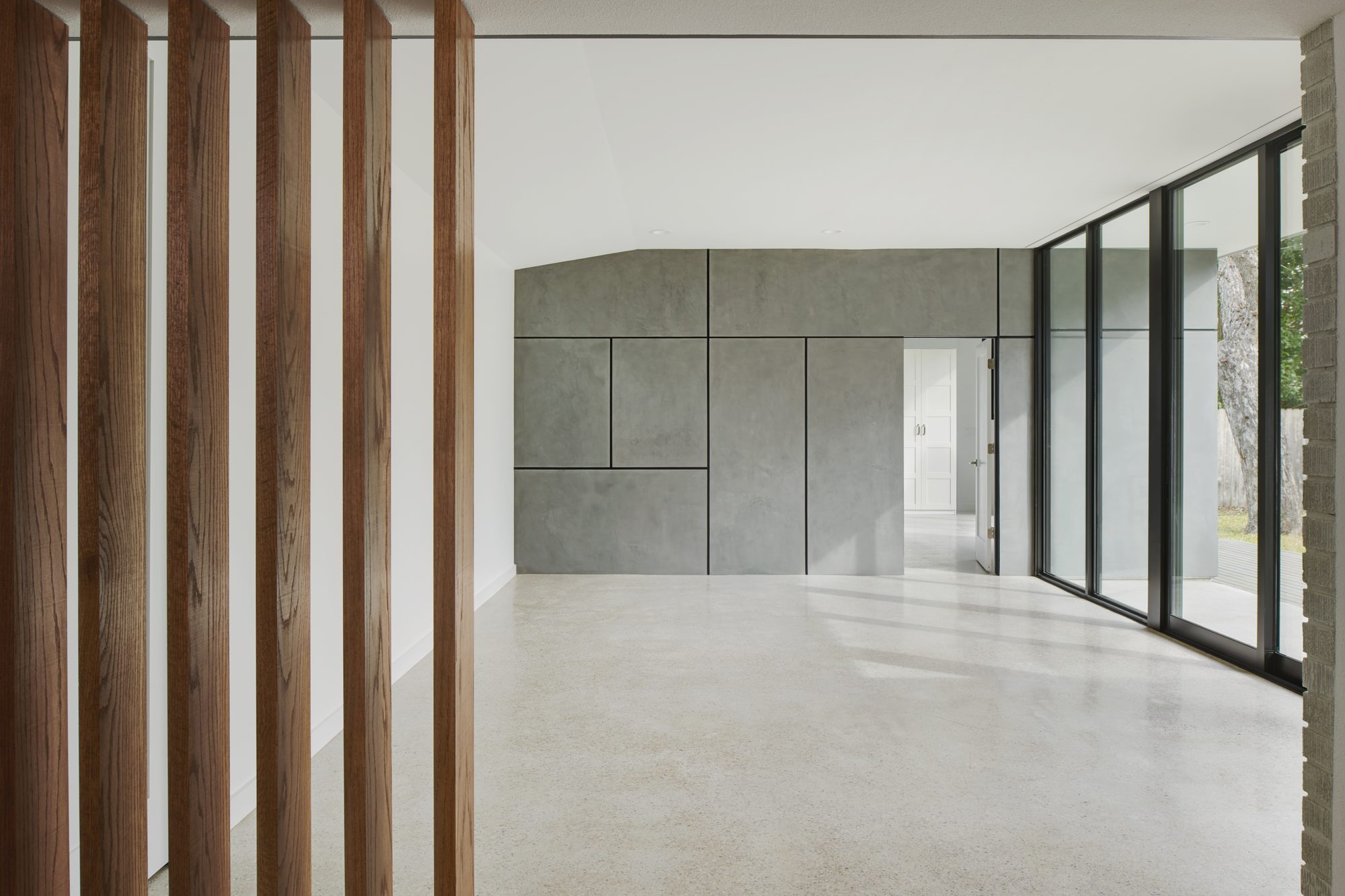
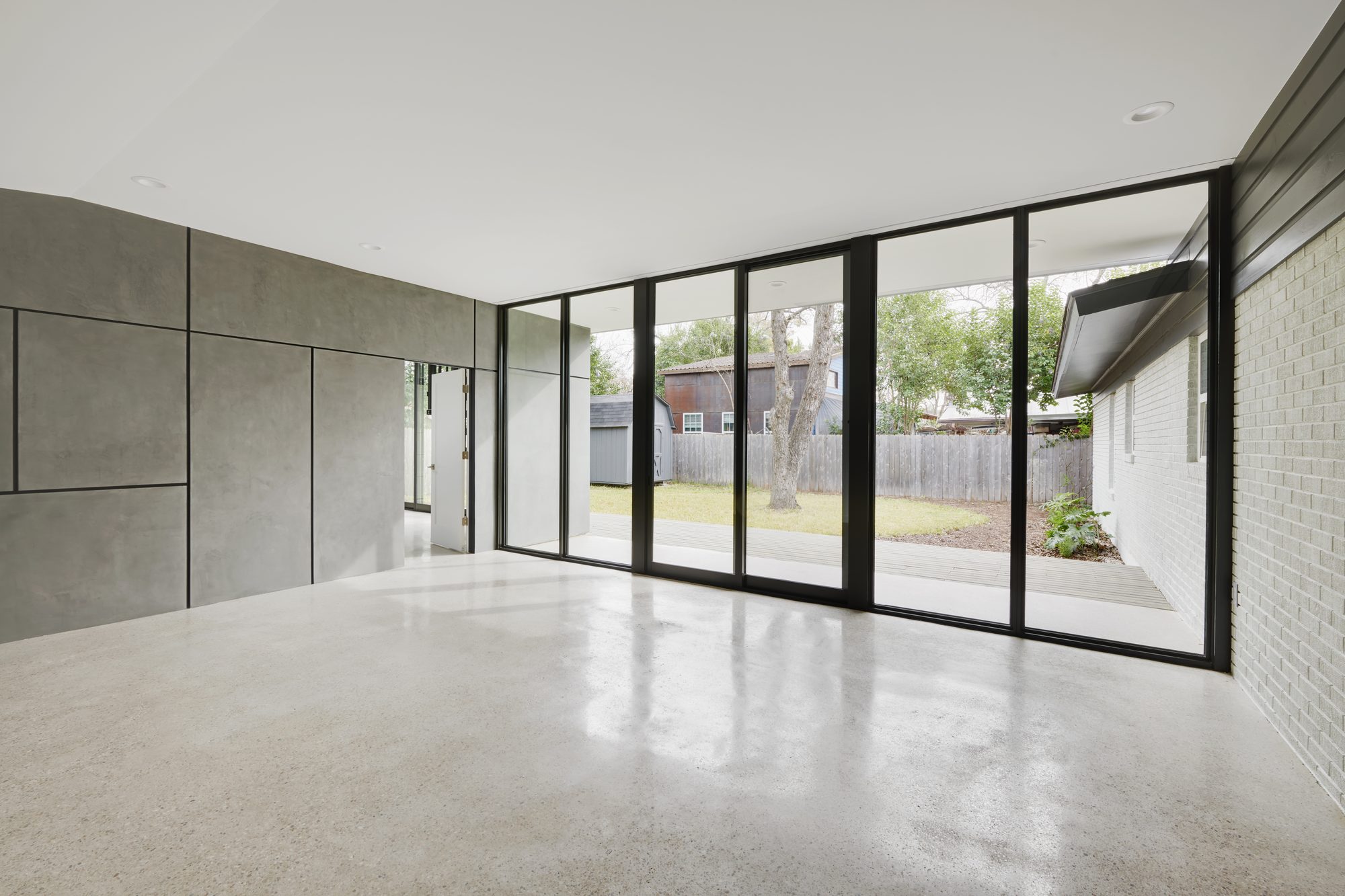
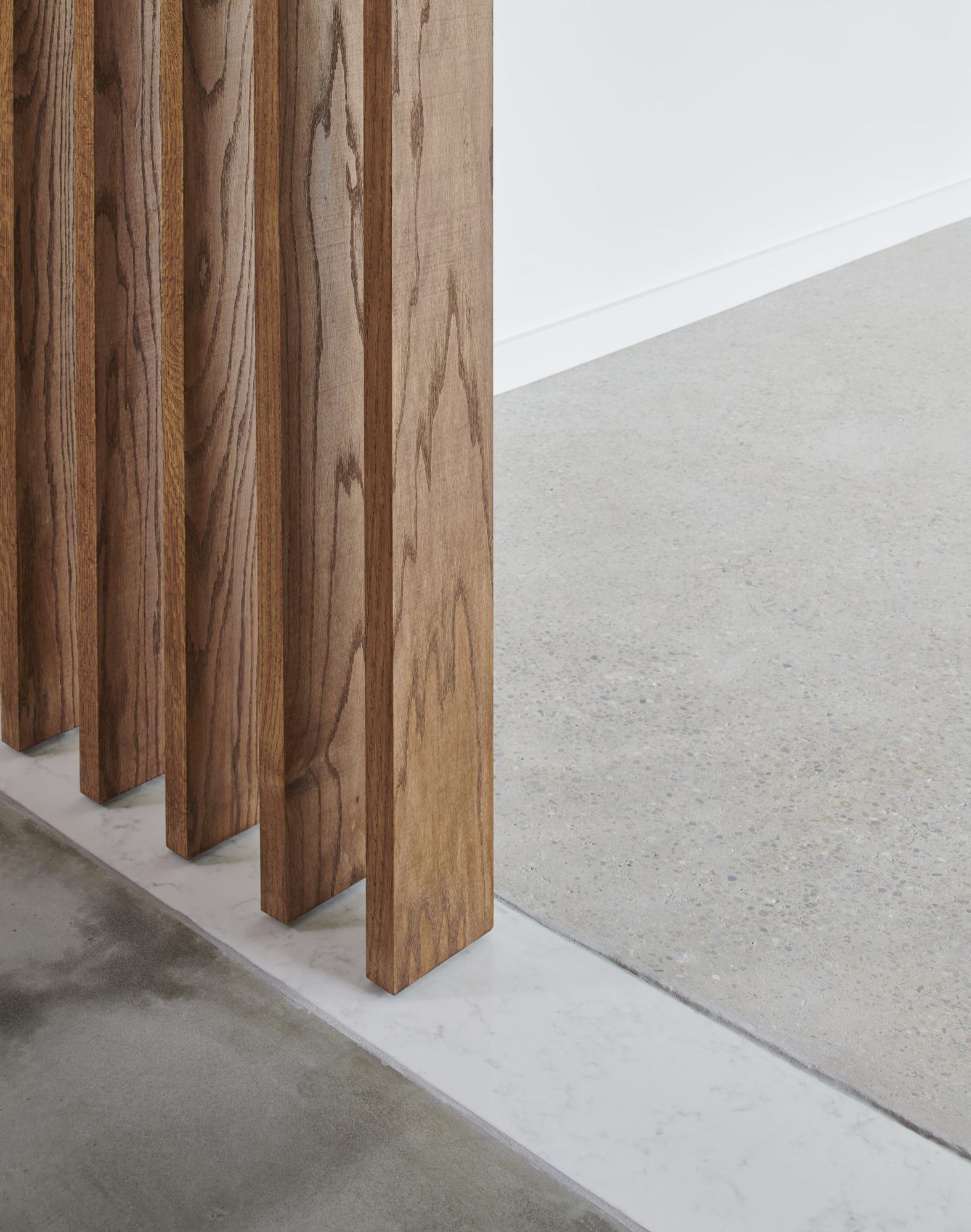
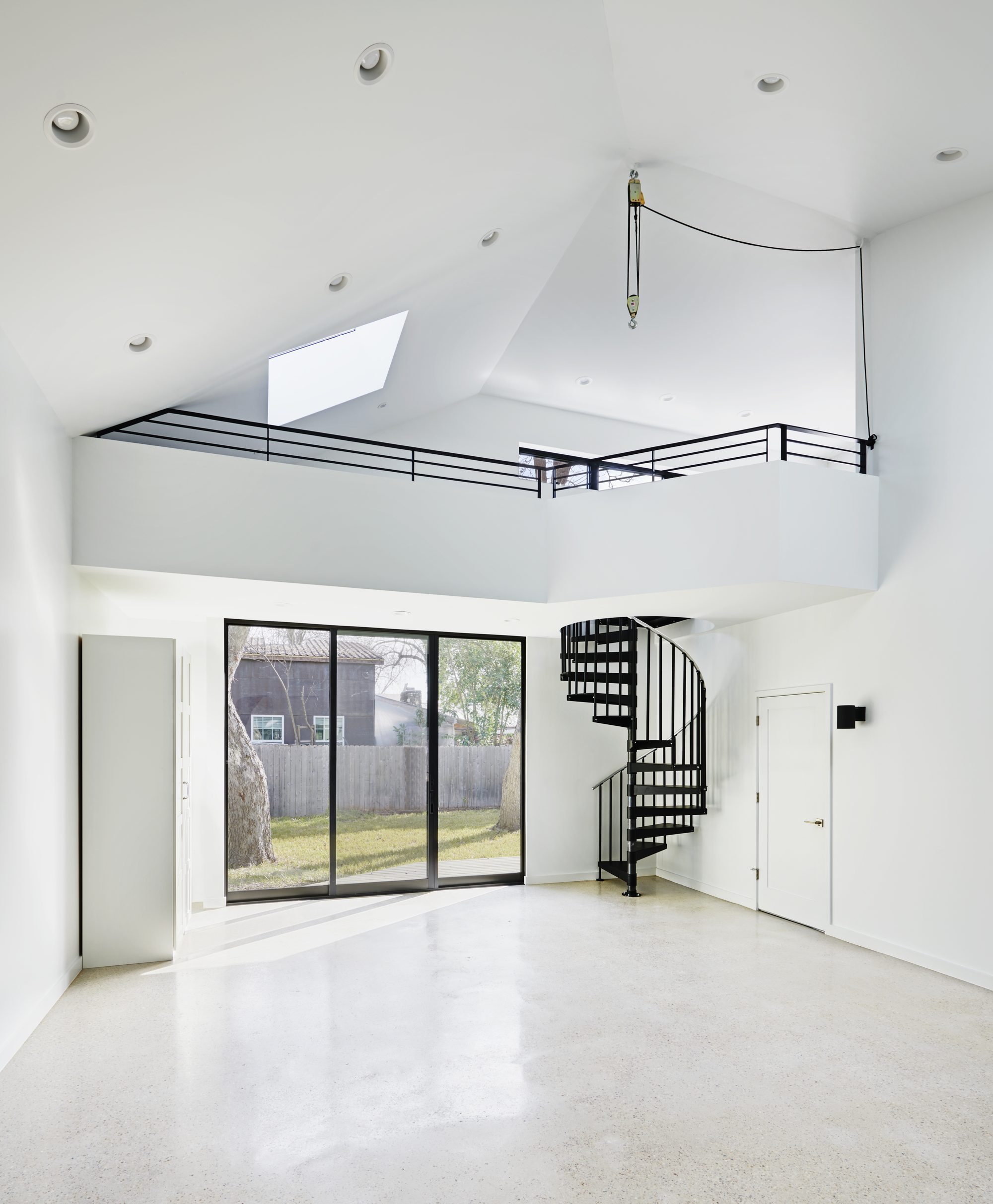
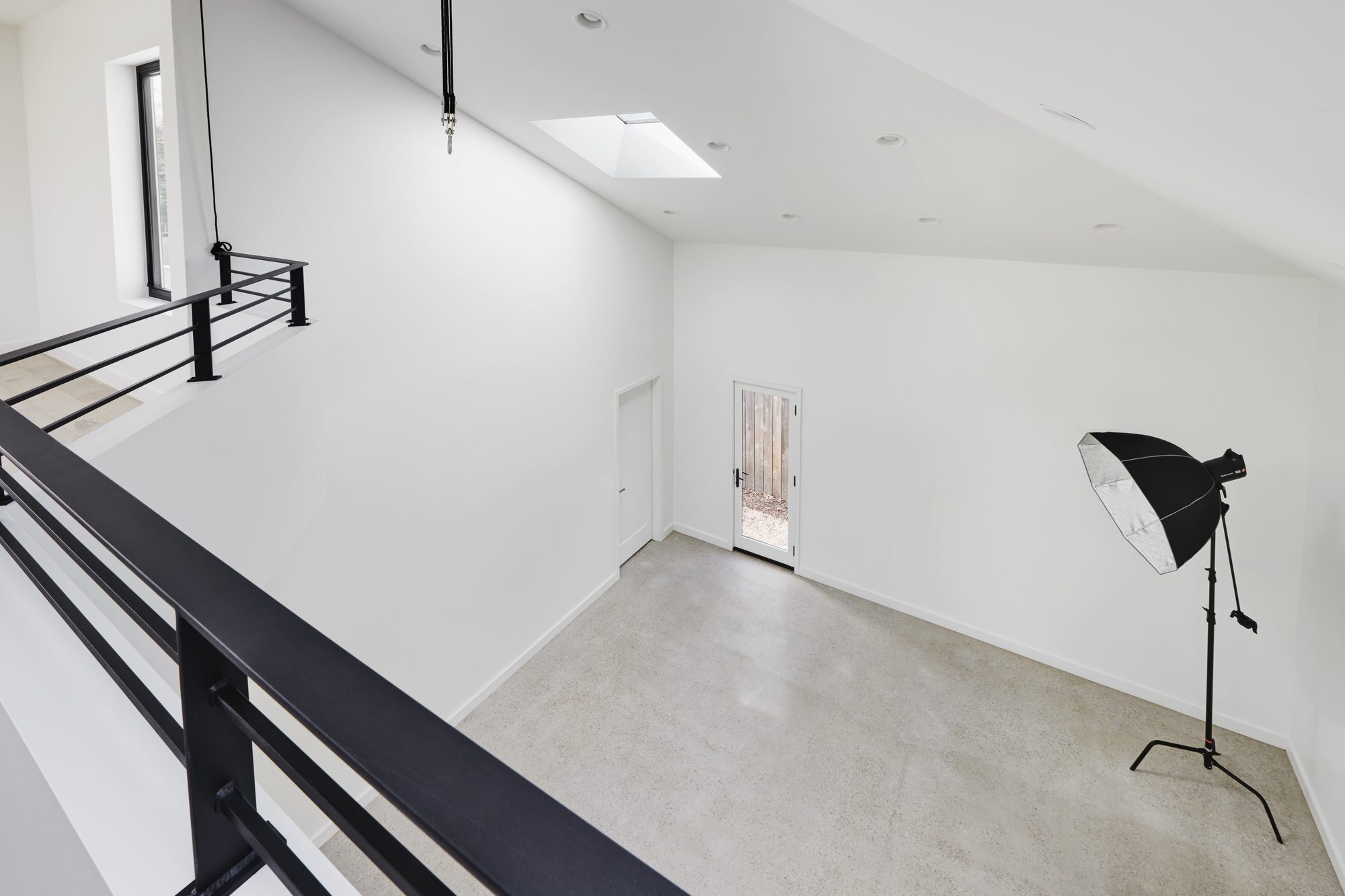
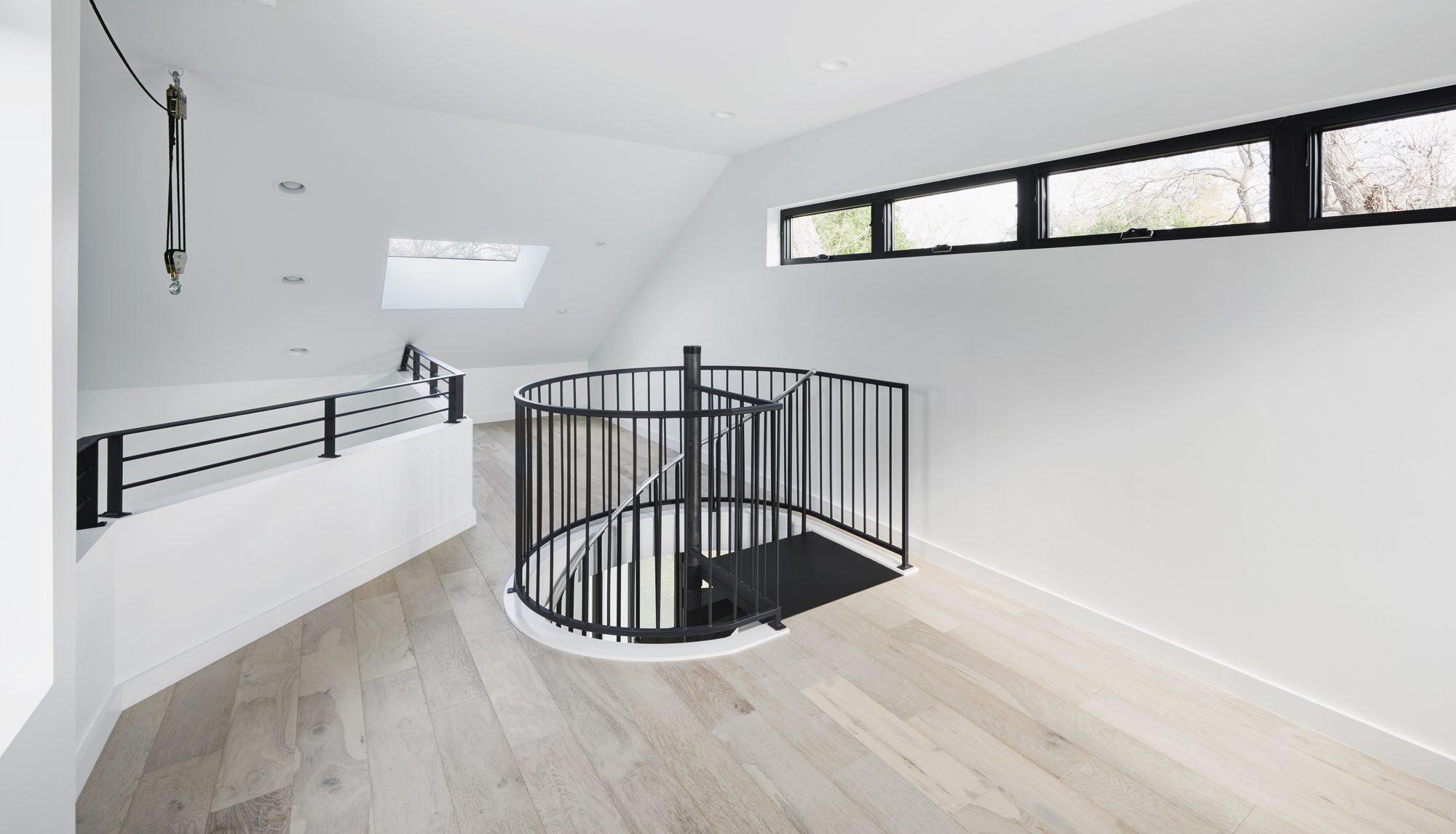
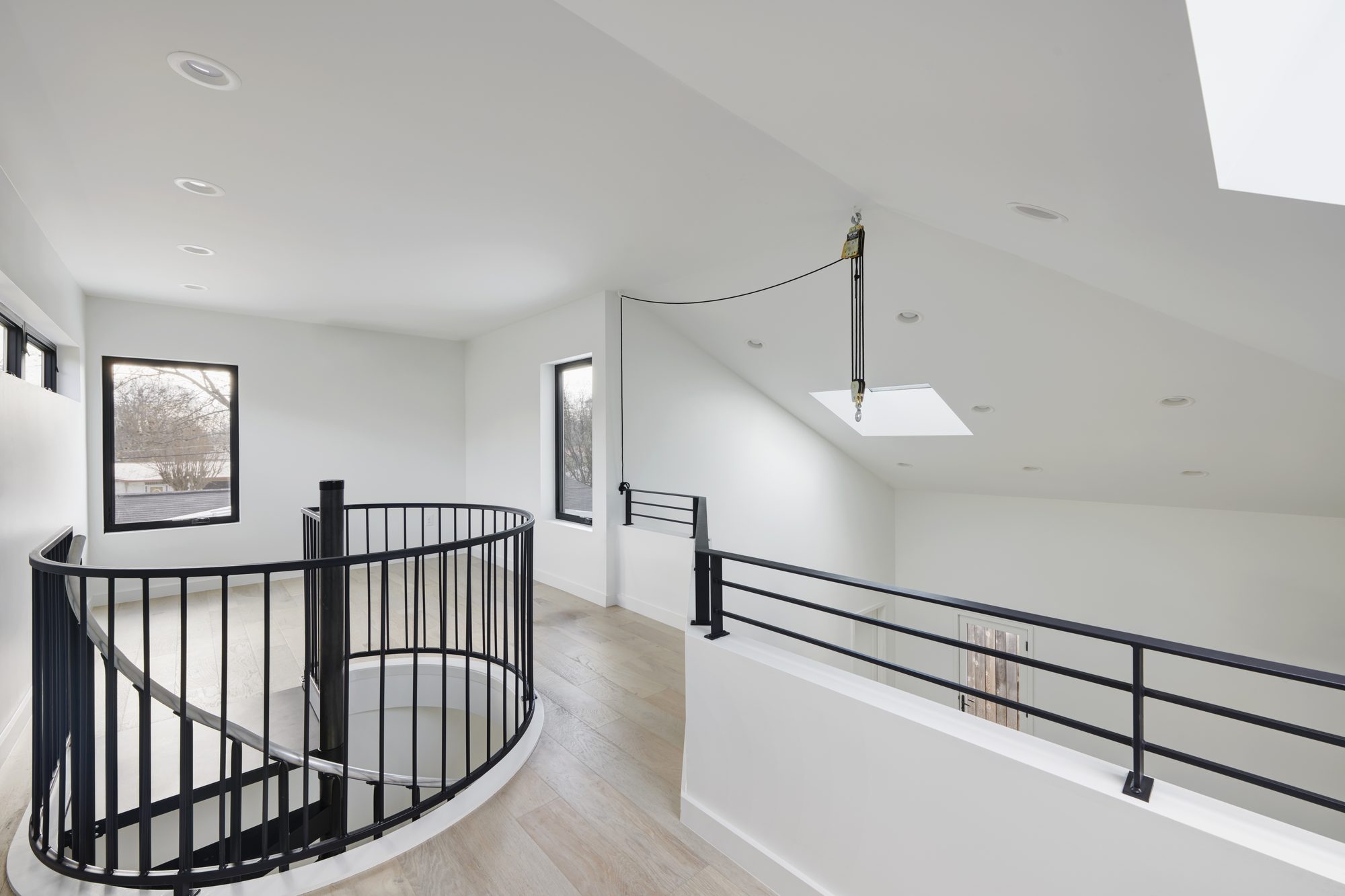
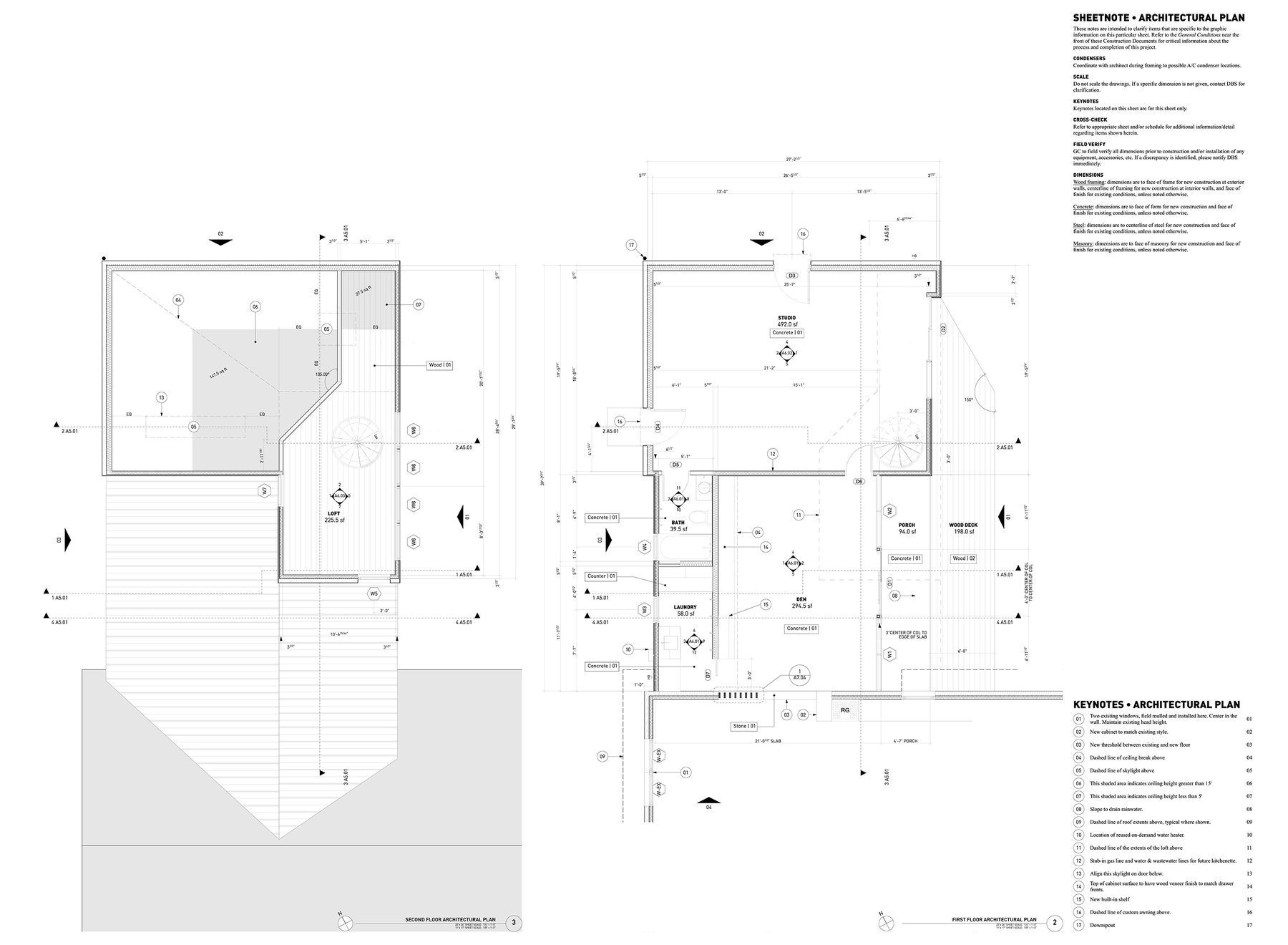
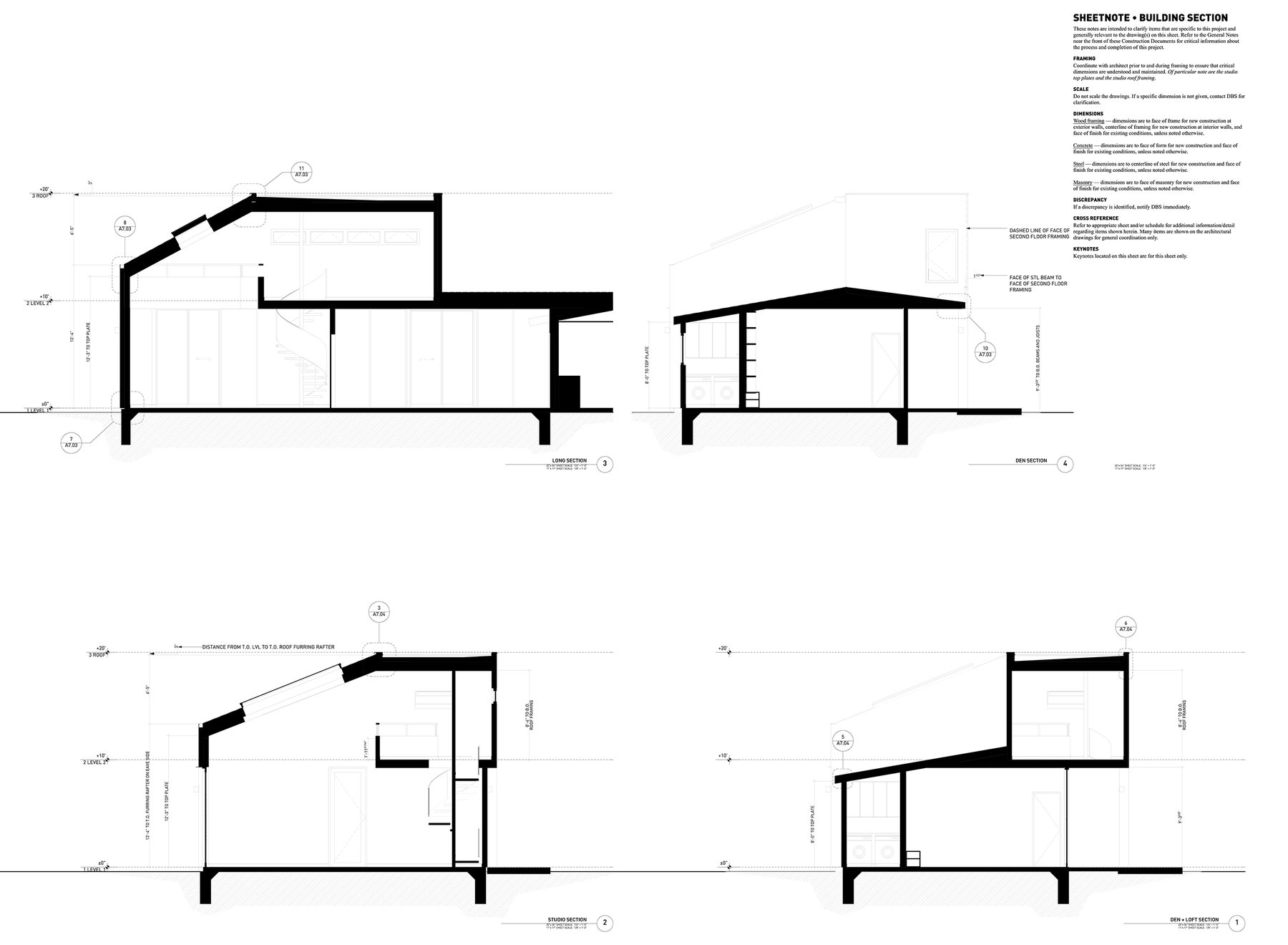
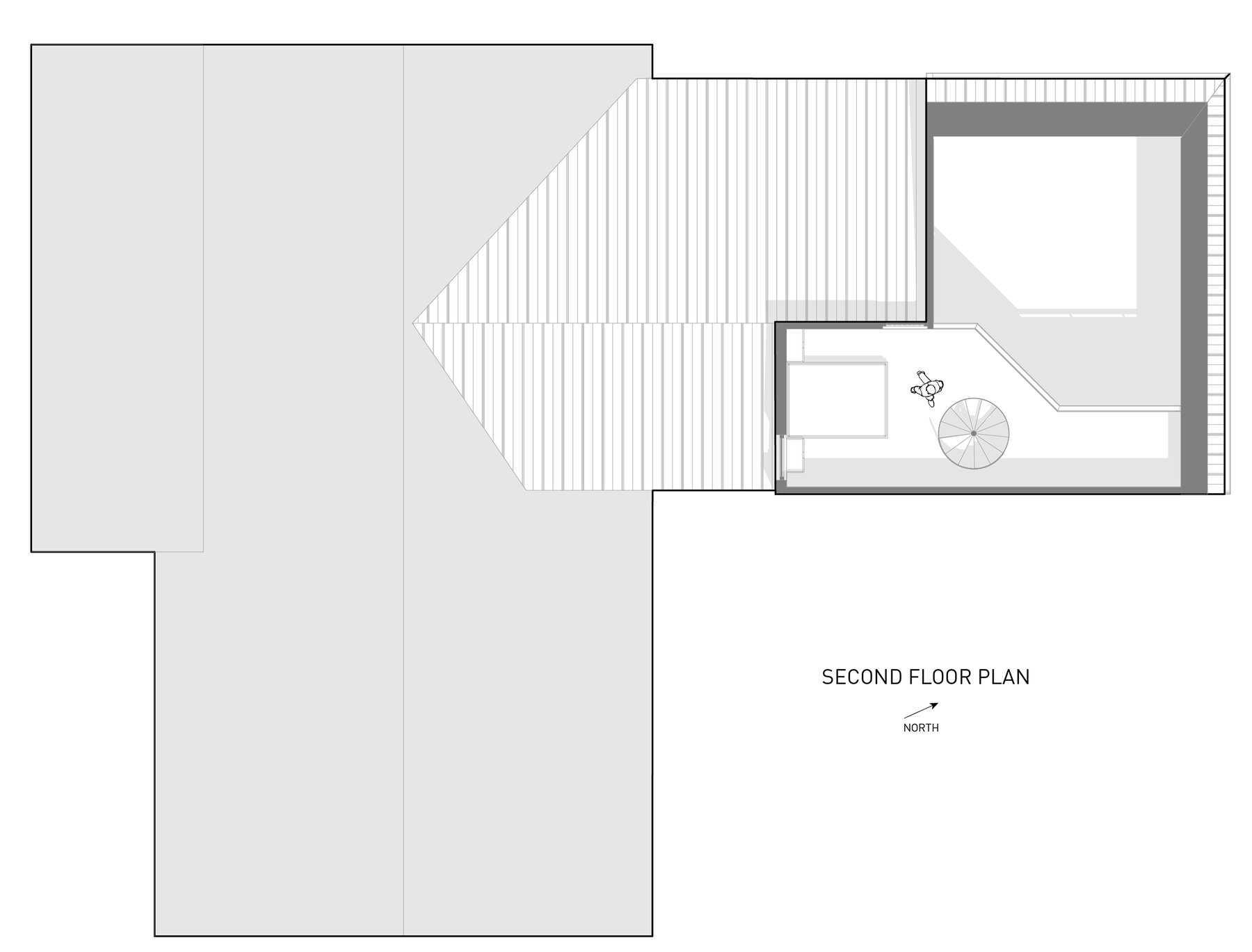
The project is a single architectural decision applied at two scales: the existing front of the house stays unchanged, and every move of architectural ambition is concentrated at the rear. The new studio addition is a faceted grey-clad volume — cementitious panels arranged in a deliberate jigsaw pattern that reads as a single drawing on each elevation. Inside, a vertical timber screen marks the threshold between renovation and addition; a polished-concrete floor runs continuously through both. The studio itself is a double-height room, daylit by skylight and a continuous clerestory band that becomes the upper architectural band on the elevation outside.
Construction approach
Renovation sequencing for the existing house: selective interior demolition, structural review where new openings were cut, refinish where possible. The addition was built as a separate structure tied carefully back to the existing brick wall at the seam. The cementitious panels were specified for their tonal cool grey and detailed for the panel-pattern jointing that gives the elevation its read. The spiral stair in the studio is a single piece of black steel, set as far from the working studio floor as the loft above would allow.
Outcome
The Choquette House was published on ArchDaily as “Photographer’s Studio” in 2019 and received the 2019 AIA Austin Design Award. The project remains the studio’s clearest argument for residential adaptive reuse with a single bold addition: keep what the building already gave the neighborhood, and put every architectural decision into the room the client actually needed.